
Thank you for Subscribing to Food Business Review Weekly Brief
This article is part of Food Business Review's insights series featuring expert contributions nominated by our subscribers and reviewed by our editorial team.
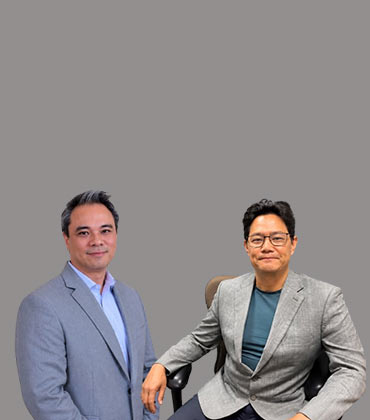
The Human Side of Reliable Food Distribution
We Support the People Behind Food
What drew me to this industry was not simply food; it was the people behind the food.
When you work closely with restaurants, you quickly realize that many of them are more than businesses. They represent years of hard work, family investment and, for many immigrant entrepreneurs, an opportunity to build something in a new country. A missing product or a late delivery may look like a small operational issue from the distributor’s side, but for a restaurant owner, it can affect an entire day of business.
My own journey at S.J. Distributors allowed me to see the business from many different perspectives, including operations, people management, compliance and strategy. That experience changed the way I think about distribution.
"Food distribution is more than moving products—it is about moving trust. When our customers can depend on us through both the predictable and the unexpected, we become more than a supplier; we become part of their success."
I learned that our job is not simply to move products from a warehouse to a restaurant. Our job is to make our customers' operations easier and more predictable.
That philosophy continues to shape how we serve customers today. We try to understand how each customer operates, what challenges they face and what we can do behind the scenes so they can focus on serving their own customers.
Preparation Protects Customer Consistency
The biggest challenge today is that almost everything is connected.
A disruption thousands of miles away can eventually affect a restaurant kitchen in California. Weather, transportation capacity, labor availability, regulatory changes, commodity pricing and international supply conditions can all influence whether a product arrives when expected and at the quality and price customers need.
At the same time, restaurant customers expect greater consistency. Their customers order the same dish and expect it to taste the same every time. That means consistency at the restaurant level starts much earlier in the supply chain.
For us, reliability therefore cannot depend on one supplier, one route or one solution. It has to come from preparation.
We work on supplier relationships, product alternatives, inventory visibility, logistics planning and communication at the same time. Technology helps us see problems earlier, but relationships and experienced people are what help us solve them.
In this industry, you cannot eliminate uncertainty. What you can do is build an organization that responds to uncertainty faster.
Good Service Has No Template
We start by accepting that there is no single definition of good service.
A small family restaurant may have limited storage and need smaller, more frequent deliveries. A high-volume buffet may care more about continuous availability and consistent specifications. A multi-location restaurant group may need standardized products, centralized communication and very predictable delivery schedules.
Those customers should not all be served in exactly the same way.
Our approach is to connect information across sourcing, inventory, sales and distribution. The better we understand a customer's purchasing patterns and operating requirements, the better we can prepare inventory and delivery capacity around them.
We also believe strongly in communication between our frontline employees and our operating teams. Salespeople and drivers often understand changes in a customer's business before those changes appear in a report. That information is extremely valuable.
Technology gives us data, but people give that data context. When the two work together, we can become much more proactive rather than simply reacting to orders.
Trust Is Built Under Pressure
Trust is usually built when something does not go perfectly.
When everything is going according to plan, it is easy for any supplier to look good. The real test comes when a product is unavailable, a shipment is delayed, a customer suddenly needs more inventory or something arrives differently than expected.
Our philosophy is very simple: communicate early, be transparent about the situation and focus on finding a solution.
Sometimes the solution is an alternative product. Sometimes it is changing a delivery. Sometimes it means our team has to do extra work internally to solve a problem the customer may never even see.
We also try to listen beyond the immediate order. When customers trust us enough to tell us what they are planning, what they are struggling with or where they want their business to go, we can prepare better and support them differently.
That is when the relationship changes.
You are no longer simply a company delivering cases of food. You become part of the customer's support system.
For me, that is what a long-term partnership should look like.
Problems Reveal the Real Partnership
One lesson we learned very clearly during major supply disruptions was that maintaining service does not mean simply finding another product. The replacement still has to work for the customer's operation.
We have had situations where products became difficult to source or increased significantly in price. For a restaurant, simply telling them that the market changed does not solve the problem.
Our teams worked across purchasing, sales and operations to identify alternatives, verify availability and specifications, and then communicate those options to customers. In some cases, we arranged for customers or their chefs to evaluate alternative products before making a change.
That step is important because two products may look similar on a specification sheet but perform very differently in a kitchen.
At the same time, our logistics teams adjusted inventory and delivery planning so that changes in sourcing would create as little disruption as possible for the customer.
Those experiences reinforced something I strongly believe: resilience is not one department's responsibility.
Purchasing cannot do it alone. Logistics cannot do it alone. Sales cannot do it alone. Reliable service happens when information moves quickly across the organization and people are empowered to solve problems together.
Reliability Makes You Indispensable
Learn the entire business, not only your own position.
Wholesale food distribution looks simple from the outside, a product comes in and a product goes out. But behind every delivery are purchasing decisions, inventory management, food safety, warehouse operations, transportation, customer relationships, technology, finance and, most importantly, people.
The professionals who grow the most are usually the ones who become curious about how all of those pieces connect.
I would also tell younger professionals not to underestimate the value of reliability. You do not always need to be the smartest or loudest person in the room. Be the person others know they can depend on. Follow through on what you say you will do, and take the time to understand the problem before offering a solution.
It is also important to remember that, for many small restaurant owners, the restaurant is not just a business, it is their family’s livelihood. Their profit margins are often extremely thin, so even a relatively small disruption can determine whether they make money or lose money that month.
When something goes wrong, take responsibility for helping solve the problem as quickly as possible. Reliability is not just about doing your job well; it is about understanding how your actions affect the people who depend on you and being there when they need you most.
Technology will continue to change our industry, and AI and automation will make many processes faster. But I believe the fundamental value of this business will remain very human.
Food connects people. Restaurants serve communities. And distributors help make those connections possible.
If you understand that responsibility and genuinely care about the success of the people you serve, this can be an incredibly meaningful industry in which to build a career.
What drew me to this industry was not simply food; it was the people behind the food.
When you work closely with restaurants, you quickly realize that many of them are more than businesses. They represent years of hard work, family investment and, for many immigrant entrepreneurs, an opportunity to build something in a new country. A missing product or a late delivery may look like a small operational issue from the distributor’s side, but for a restaurant owner, it can affect an entire day of business.
My own journey at S.J. Distributors allowed me to see the business from many different perspectives, including operations, people management, compliance and strategy. That experience changed the way I think about distribution.
"Food distribution is more than moving products—it is about moving trust. When our customers can depend on us through both the predictable and the unexpected, we become more than a supplier; we become part of their success."
I learned that our job is not simply to move products from a warehouse to a restaurant. Our job is to make our customers' operations easier and more predictable.
That philosophy continues to shape how we serve customers today. We try to understand how each customer operates, what challenges they face and what we can do behind the scenes so they can focus on serving their own customers.
Preparation Protects Customer Consistency
The biggest challenge today is that almost everything is connected.
A disruption thousands of miles away can eventually affect a restaurant kitchen in California. Weather, transportation capacity, labor availability, regulatory changes, commodity pricing and international supply conditions can all influence whether a product arrives when expected and at the quality and price customers need.
At the same time, restaurant customers expect greater consistency. Their customers order the same dish and expect it to taste the same every time. That means consistency at the restaurant level starts much earlier in the supply chain.
For us, reliability therefore cannot depend on one supplier, one route or one solution. It has to come from preparation.
We work on supplier relationships, product alternatives, inventory visibility, logistics planning and communication at the same time. Technology helps us see problems earlier, but relationships and experienced people are what help us solve them.
In this industry, you cannot eliminate uncertainty. What you can do is build an organization that responds to uncertainty faster.
Good Service Has No Template
We start by accepting that there is no single definition of good service.
A small family restaurant may have limited storage and need smaller, more frequent deliveries. A high-volume buffet may care more about continuous availability and consistent specifications. A multi-location restaurant group may need standardized products, centralized communication and very predictable delivery schedules.
Those customers should not all be served in exactly the same way.
Our approach is to connect information across sourcing, inventory, sales and distribution. The better we understand a customer's purchasing patterns and operating requirements, the better we can prepare inventory and delivery capacity around them.
We also believe strongly in communication between our frontline employees and our operating teams. Salespeople and drivers often understand changes in a customer's business before those changes appear in a report. That information is extremely valuable.
Technology gives us data, but people give that data context. When the two work together, we can become much more proactive rather than simply reacting to orders.
Trust Is Built Under Pressure
Trust is usually built when something does not go perfectly.
When everything is going according to plan, it is easy for any supplier to look good. The real test comes when a product is unavailable, a shipment is delayed, a customer suddenly needs more inventory or something arrives differently than expected.
Our philosophy is very simple: communicate early, be transparent about the situation and focus on finding a solution.
-
Every restaurant represents someone’s dream, investment and family. If we can help protect that, lighten their workload and give them one less thing to worry about, they can focus on what they do best, creating great food and bringing happiness to the people they serve.
Sometimes the solution is an alternative product. Sometimes it is changing a delivery. Sometimes it means our team has to do extra work internally to solve a problem the customer may never even see.
We also try to listen beyond the immediate order. When customers trust us enough to tell us what they are planning, what they are struggling with or where they want their business to go, we can prepare better and support them differently.
That is when the relationship changes.
You are no longer simply a company delivering cases of food. You become part of the customer's support system.
For me, that is what a long-term partnership should look like.
Problems Reveal the Real Partnership
One lesson we learned very clearly during major supply disruptions was that maintaining service does not mean simply finding another product. The replacement still has to work for the customer's operation.
We have had situations where products became difficult to source or increased significantly in price. For a restaurant, simply telling them that the market changed does not solve the problem.
Our teams worked across purchasing, sales and operations to identify alternatives, verify availability and specifications, and then communicate those options to customers. In some cases, we arranged for customers or their chefs to evaluate alternative products before making a change.
That step is important because two products may look similar on a specification sheet but perform very differently in a kitchen.
At the same time, our logistics teams adjusted inventory and delivery planning so that changes in sourcing would create as little disruption as possible for the customer.
Those experiences reinforced something I strongly believe: resilience is not one department's responsibility.
Purchasing cannot do it alone. Logistics cannot do it alone. Sales cannot do it alone. Reliable service happens when information moves quickly across the organization and people are empowered to solve problems together.
Reliability Makes You Indispensable
Learn the entire business, not only your own position.
Wholesale food distribution looks simple from the outside, a product comes in and a product goes out. But behind every delivery are purchasing decisions, inventory management, food safety, warehouse operations, transportation, customer relationships, technology, finance and, most importantly, people.
The professionals who grow the most are usually the ones who become curious about how all of those pieces connect.
I would also tell younger professionals not to underestimate the value of reliability. You do not always need to be the smartest or loudest person in the room. Be the person others know they can depend on. Follow through on what you say you will do, and take the time to understand the problem before offering a solution.
It is also important to remember that, for many small restaurant owners, the restaurant is not just a business, it is their family’s livelihood. Their profit margins are often extremely thin, so even a relatively small disruption can determine whether they make money or lose money that month.
When something goes wrong, take responsibility for helping solve the problem as quickly as possible. Reliability is not just about doing your job well; it is about understanding how your actions affect the people who depend on you and being there when they need you most.
Technology will continue to change our industry, and AI and automation will make many processes faster. But I believe the fundamental value of this business will remain very human.
Food connects people. Restaurants serve communities. And distributors help make those connections possible.
If you understand that responsibility and genuinely care about the success of the people you serve, this can be an incredibly meaningful industry in which to build a career.
MORE FROM INSIGHTS

Food Safety and Quality Consultants, LLC
Arlen Keller, President, Food Safety and Quality Consultants, LLC
Food Safety and Quality Consultants: Practical Food Safety Culture Planning in an Ever-Changing Industry

Mayekawa USA
Jiro Kobayashi, Business Development Advisor, Food Division, Mayekawa USA
Why are meat plants investing in automation today?

Kirkman
Nick Chiacchiaro, Marketing Manager, HTO Nevada d.b.a. Kirkman
Two Great Products from a Kirkman®-a Trusted Brand for more than 7 Decades

Clark Influence
Valentine Fourmentin, Senior Business and Project Development Manager
Shaping the Future of Food Service: 5 key marketing takeaways from SIAL Toronto
EXPLORE OUR KNOWLEDGE NETWORK
The articles from these contributors are based on their personal expertise and viewpoints, and do not necessarily reflect the opinions of their employers or affiliated organizations.
